


Our primary treatment, injecting a solution directly into the vein to cause it to collapse and fade over several weeks.
Spider Veins
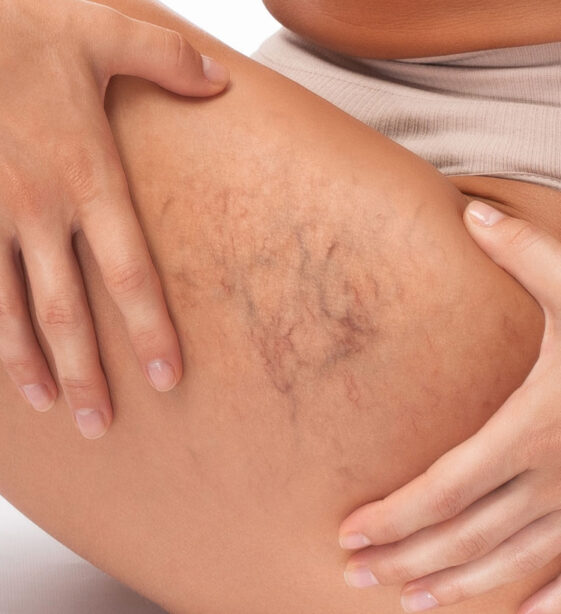
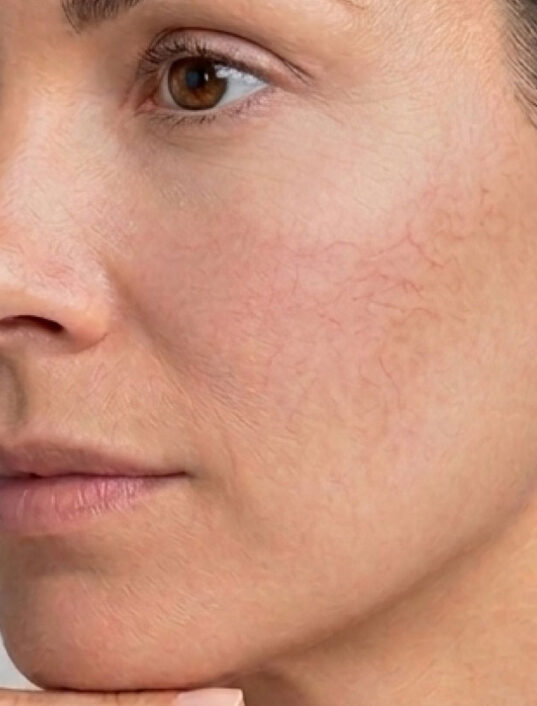
Spider veins appear as fine red or blue vessels, often in a web-like pattern, most commonly on the legs and thighs, though they can also develop on the face. They’re milder than varicose veins and are extremely common, particularly as we age.
How It Happens
Understanding
Spider Veins
Spider veins share several risk factors with broken capillaries and other vascular conditions: genetics, sun exposure, prolonged standing, hormonal changes such as those during pregnancy, and increasing age all contribute to their development. They’re a cosmetic concern rather than a medical one, and we can ensure you have a thorough consultation and treatment plan developed through our specialized partnership with Physicians Vein Clinics.

Spider Vein Prevention
Staying active and avoiding long stretches of standing or sitting keeps blood flowing well in your legs, which helps prevent new spider veins. Compression stockings support circulation if your job keeps you on your feet, and elevating your legs when you can gives your veins a break. Maintaining a healthy, stable weight also reduces the pressure on your venous system.
How We Treat Spider Veins

Laser Vein Reduction
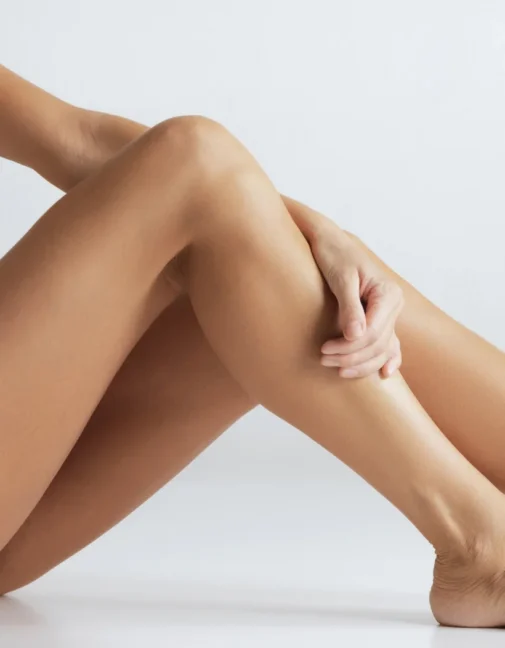
A non-injection option well suited to smaller, more superficial veins.
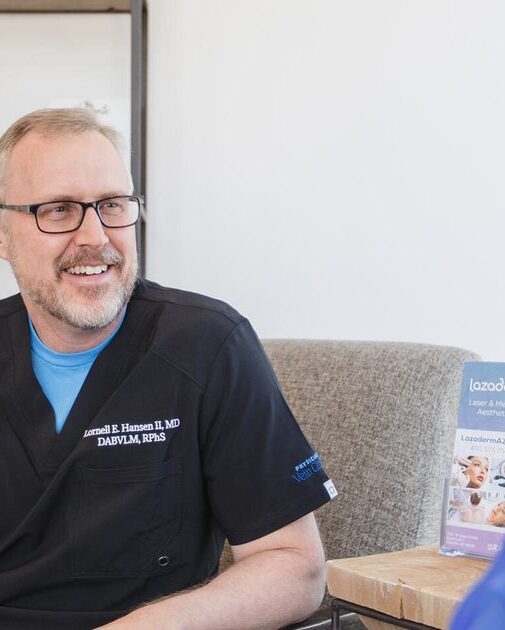
Non-Invasive Vein Evaluation
Recommended as a starting point for an accurate diagnosis and the most effective treatment plan for your specific veins.
Why choose Lazaderm
Related Concerns

Real Patients. Real Results.
Your Best
Skin Starts Here
Request a consultation or book online today.