


Can decrease the height and firmness of hypertrophic scars, and may benefit keloids as well when paired with a strong topical steroid following treatment.
Hypertrophic And Keloid Scarring
Scars are the body’s way of healing itself. When skin is wounded, whether from an injury or surgery, it rebuilds itself by creating new collagen to close the wound. Often, a faint, flat scar is all that remains. Sometimes, however, the skin overcorrects and produces more collagen than is needed. This creates scars that are raised, firm and possibly more noticeable than the original injury.
How It Happens
Understanding
Hypertrophic/Keloid Scarring
Hypertrophic and keloid scars are often confused for one another, but they behave differently.
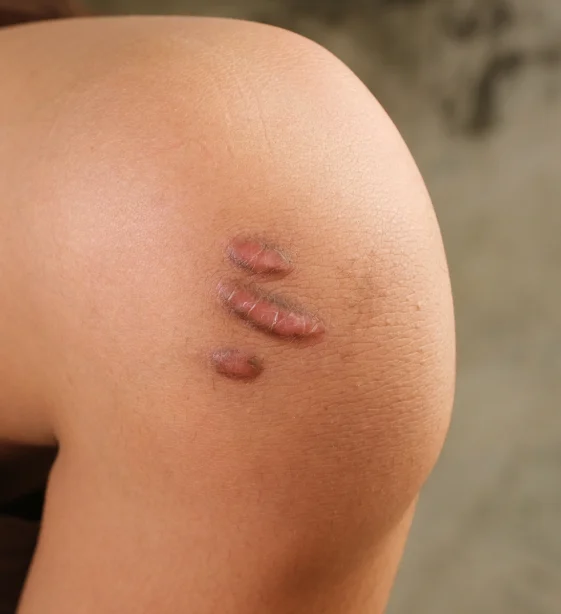
Hypertrophic scars are thick, raised scars caused by an overproduction of collagen in a healing wound, often related to an exaggerated response to the original injury. They tend to be more common in wounds that became infected or inflamed, or that were under significant tension or not properly sutured. They can occur on any part of the body and in any skin type, but importantly, they don’t grow beyond the boundaries of the original injury.
Keloid scars are a related but distinct abnormal healing response. Like hypertrophic scars, they’re thick and raised, but keloids can continue growing beyond the boundaries of the original wound over time. They tend to form most often on the earlobes, shoulders, cheeks, and chest, and are generally more common in patients with darker skin tones.
Prevention
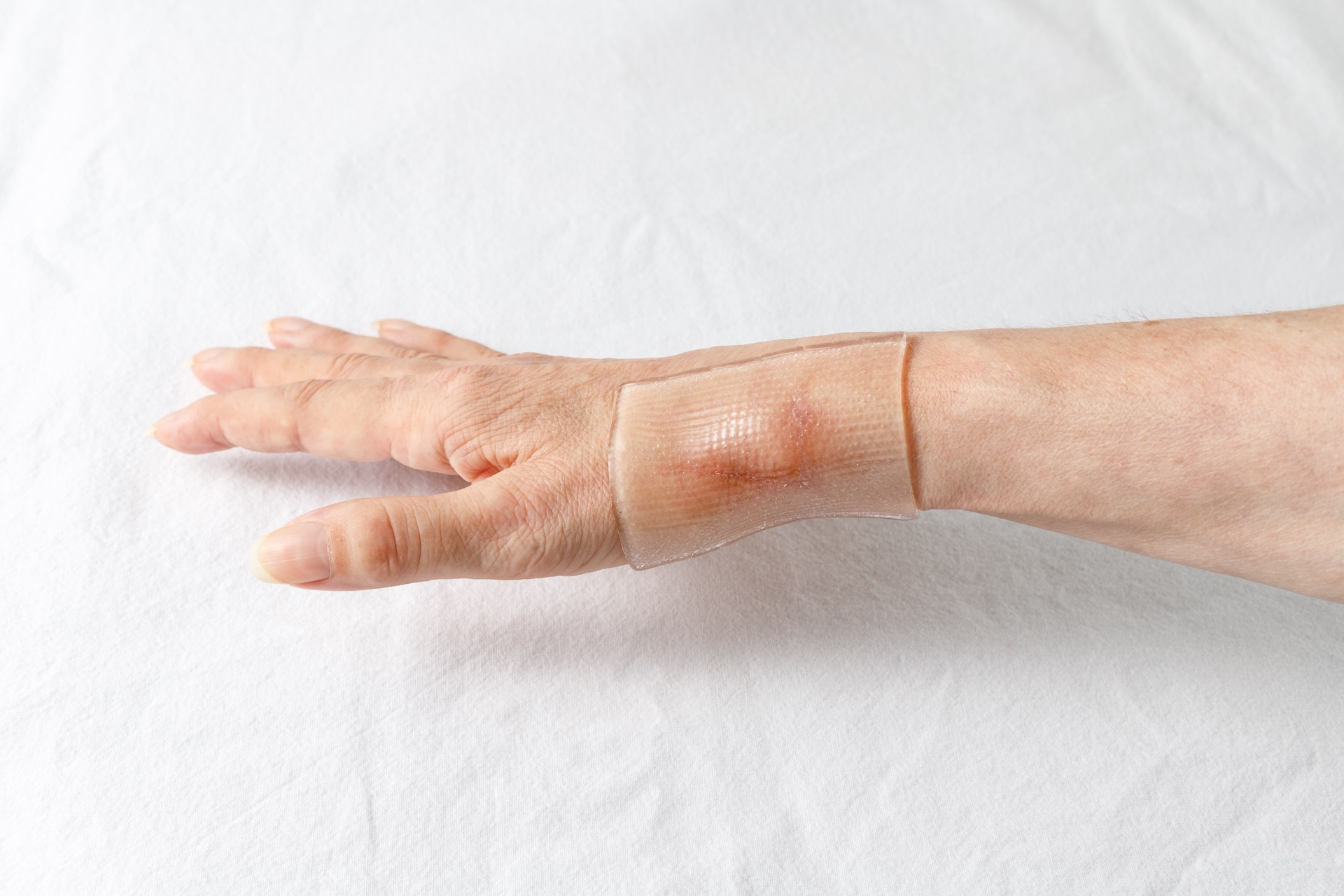
Pressure dressings make it more difficult for a scar to become raised in the first place. Silicone gel pads have shown real promise in preventing keloids from growing, particularly when started at the very first sign of keloid formation and used daily for up to three months. When a wound requires sutures, having it properly closed by a physician decreases the risk of hypertrophic scarring developing.
How We Treat Raised Scars


Erbium Laser Resurfacing
Our preferred ablative laser for smaller scars, causing less trauma to the skin than CO2 lasers, which can actually increase the risk of further scarring.
Microneedling
A less costly alternative to fractional lasers for both hypertrophic and keloid scars, using a device called the Collagen PIN.
Steroid injections
Can benefit both keloid and hypertrophic scars, typically requiring monthly injections until the desired improvement is achieved, and cryosurgery is sometimes used alongside steroid injection to reduce the bulk of more significant scars.
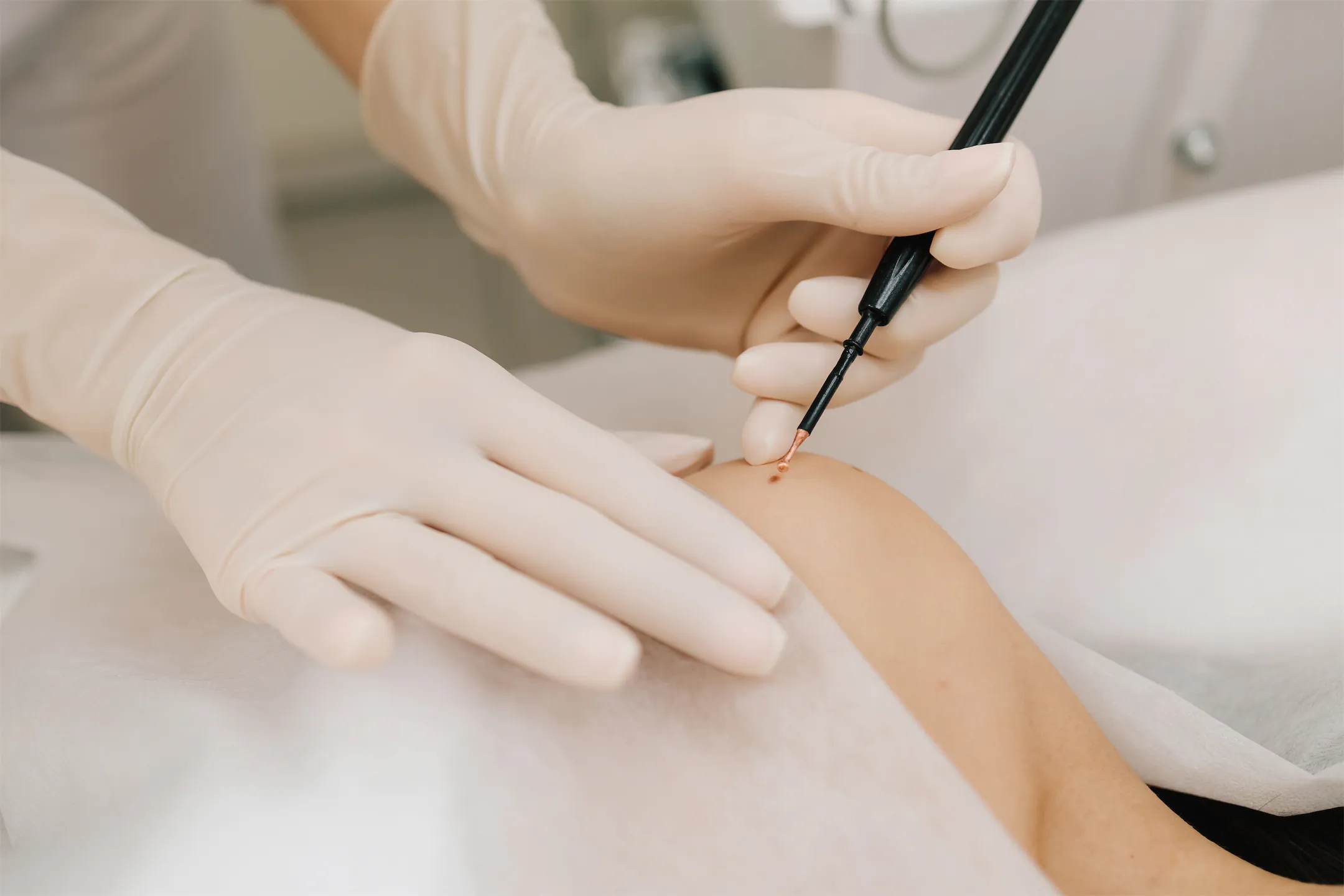
Surgical excision
Possible for hypertrophic scars or smaller keloids, though keloids carry a high risk of recurrence after surgery; if excision is the right path for you, it’s important to wait at least a year after the keloid first developed and to begin steroid injections at the earliest sign of recurrence at the surgical site.
Why Choose Lazaderm
Related Concerns
Real Patients. Real Results.
Your Best
Skin Starts Here
Request a consultation or book online today.