




FDA-cleared specifically for the treatment of actinic keratosis.
Actinic Keratosis
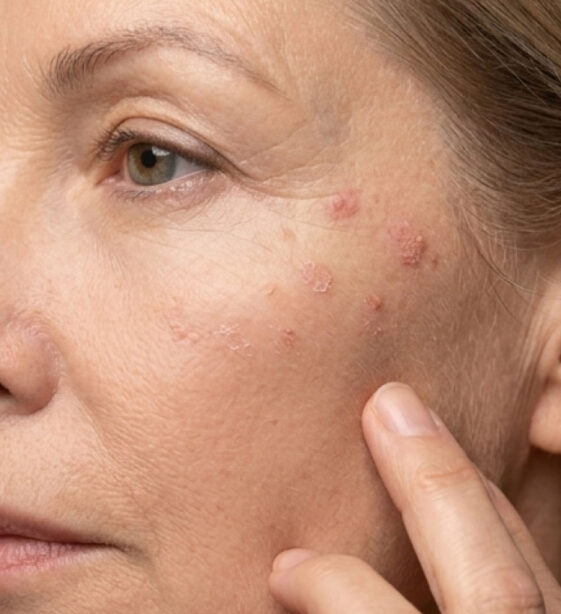
Actinic keratosis, sometimes called solar keratosis, is the most common precancerous skin condition we diagnose. Left untreated, a small percentage of these lesions can progress to squamous cell carcinoma, which is why we recommend addressing them rather than waiting. They’re a direct sign of significant ultraviolet (UV) exposure from the sun or tanning beds.
How It Happens
Understanding
Actinic Keratosis
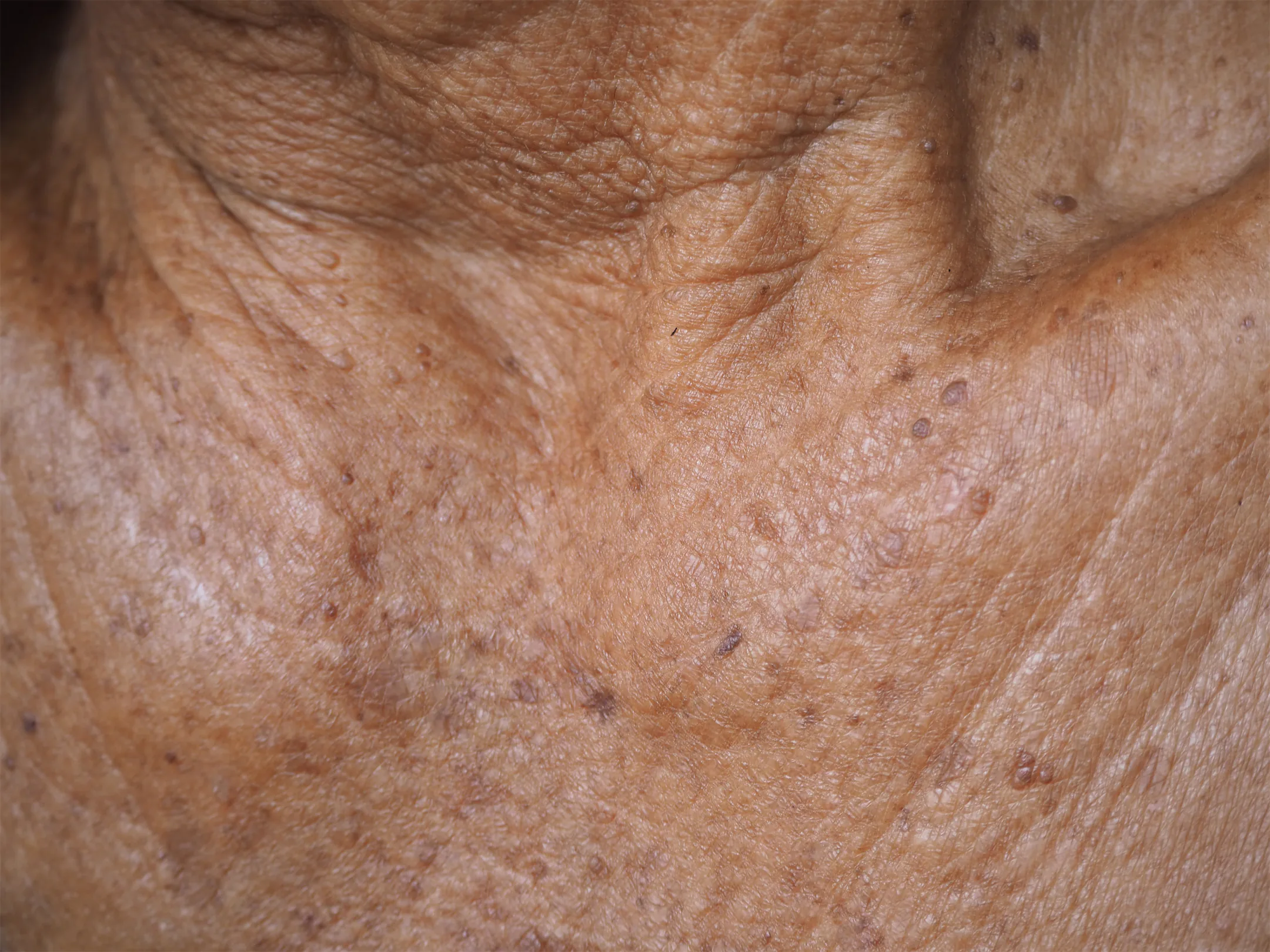
These lesions typically begin as small patches that can often be felt before they’re clearly visible, sometimes described as feeling like sandpaper even when there’s minimal visible change to the skin. Over time, they can become more prominent, developing a slightly raised, rough texture, and ranging in color from red to pink. They can appear on any sun-exposed skin, but are most common on the face, scalp, ears, neck, shoulders, and shins.
Prevention
Sun avoidance, particularly wearing a broad-brimmed hat, long sleeves, and long pants during peak UV hours between 10am and 3pm, offers protection. Consistent use of a quality sunblock, at minimum SPF 30, has been shown to reduce the risk of developing actinic keratosis. If you need to cover your whole body with sunscreen, it takes roughly a full shot glass of product to achieve the protection listed on the label. Avoid tanning beds, since they cause comparable UV damage and age skin by destroying collagen and elastin in the same way.
How We Treat Actinic Keratosis


Erbium Laser Resurfacing
Full facial resurfacing that removes the atypical cells associated with actinic keratosis, generally the most complete option, though it’s limited to the face.
Chemical Peels
The peels used for actinic keratosis are more invasive than typical spa or aesthetician peels and should only be performed in a physician’s office.
Topical Medications
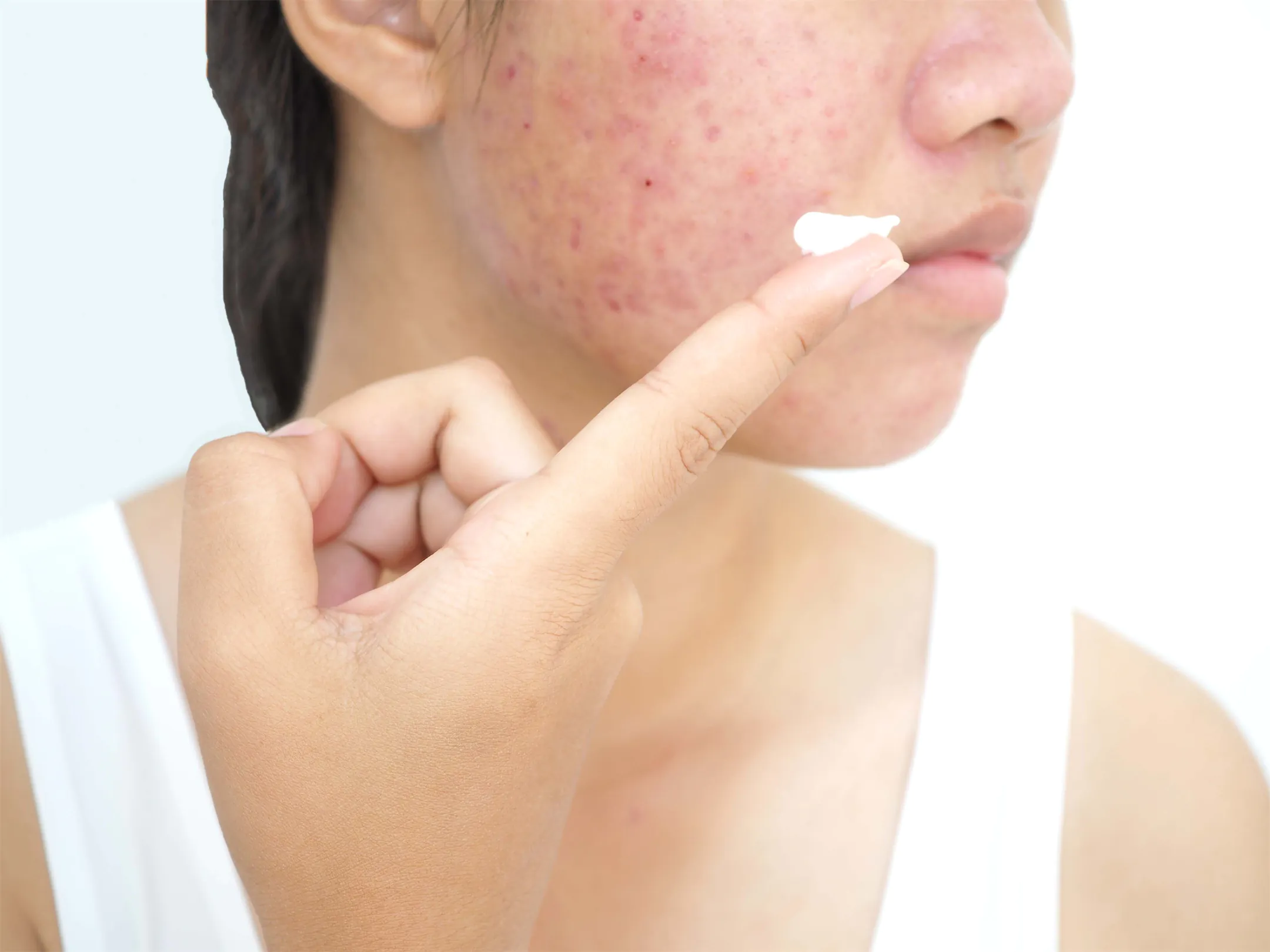
Can treat actinic keratosis over several weeks, though they may cause temporary irritation, itching, or scaling, and are often used for patients with lesions spread diffusely across the face or chest.
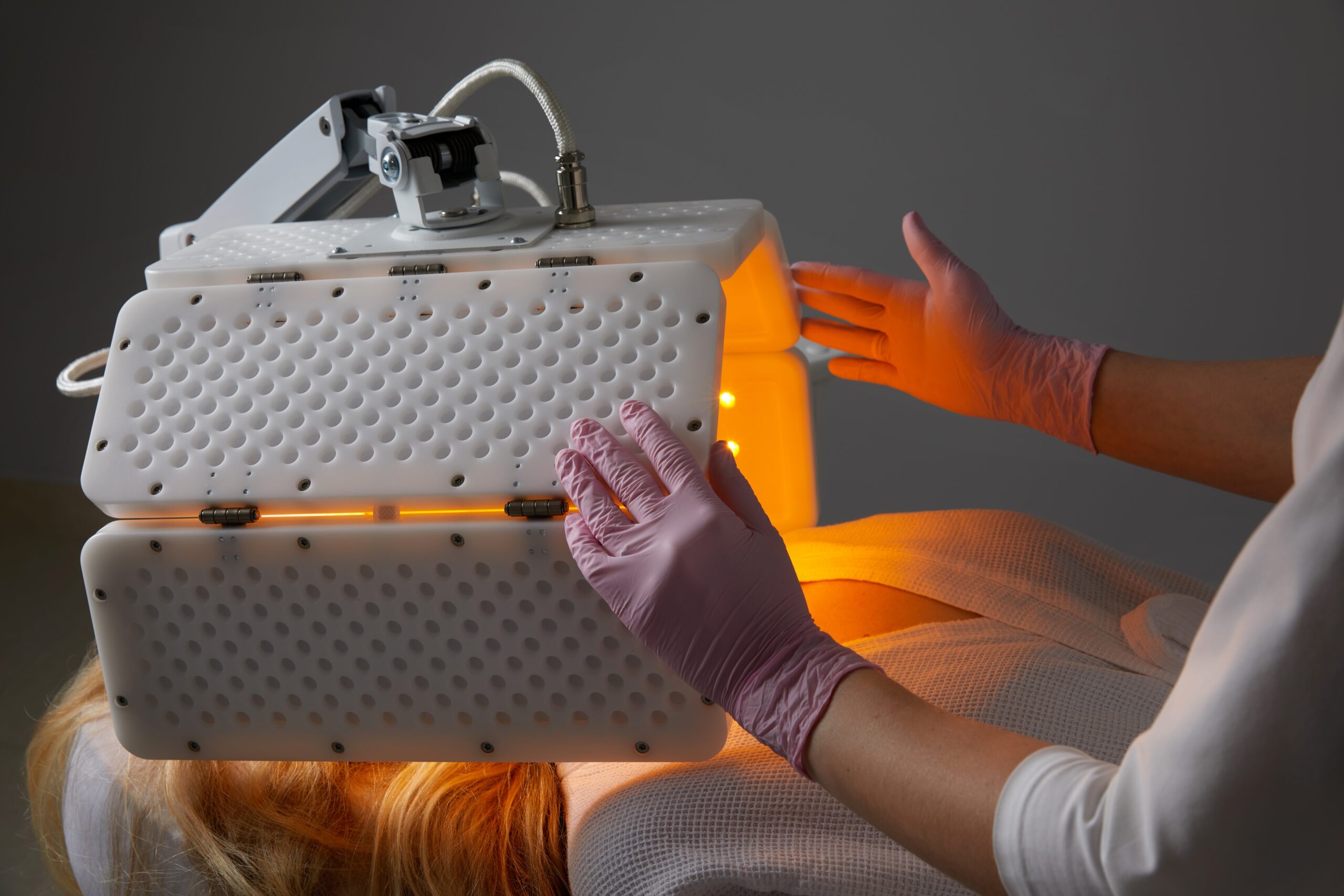
Photodynamic Therapy
Involves applying a topical solution that’s then activated by light, either natural sunlight or an in-office light source.
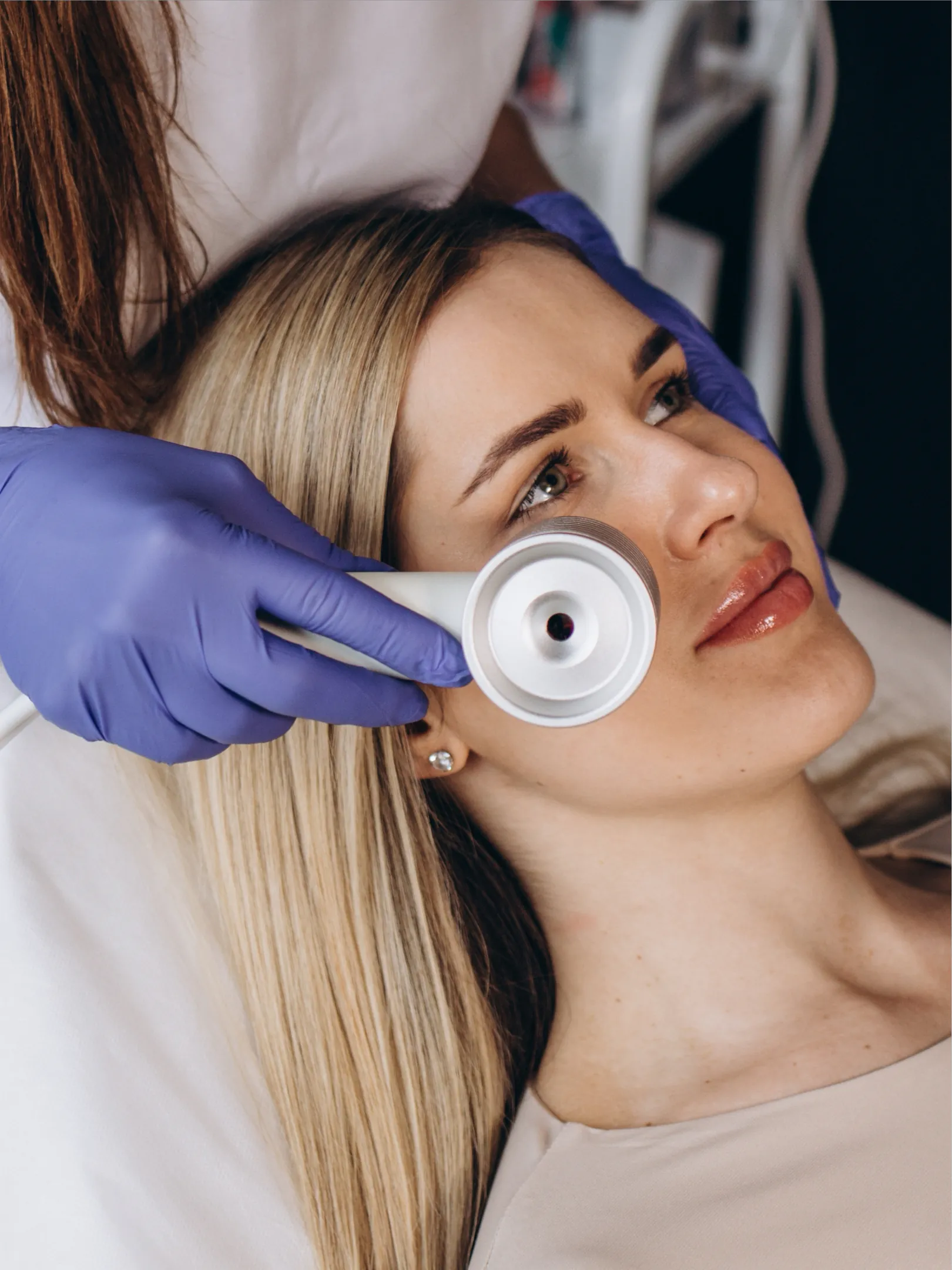
Cryotherapy
Freezes individual lesions and works well for isolated spots, though it’s not ideal for widespread cases.
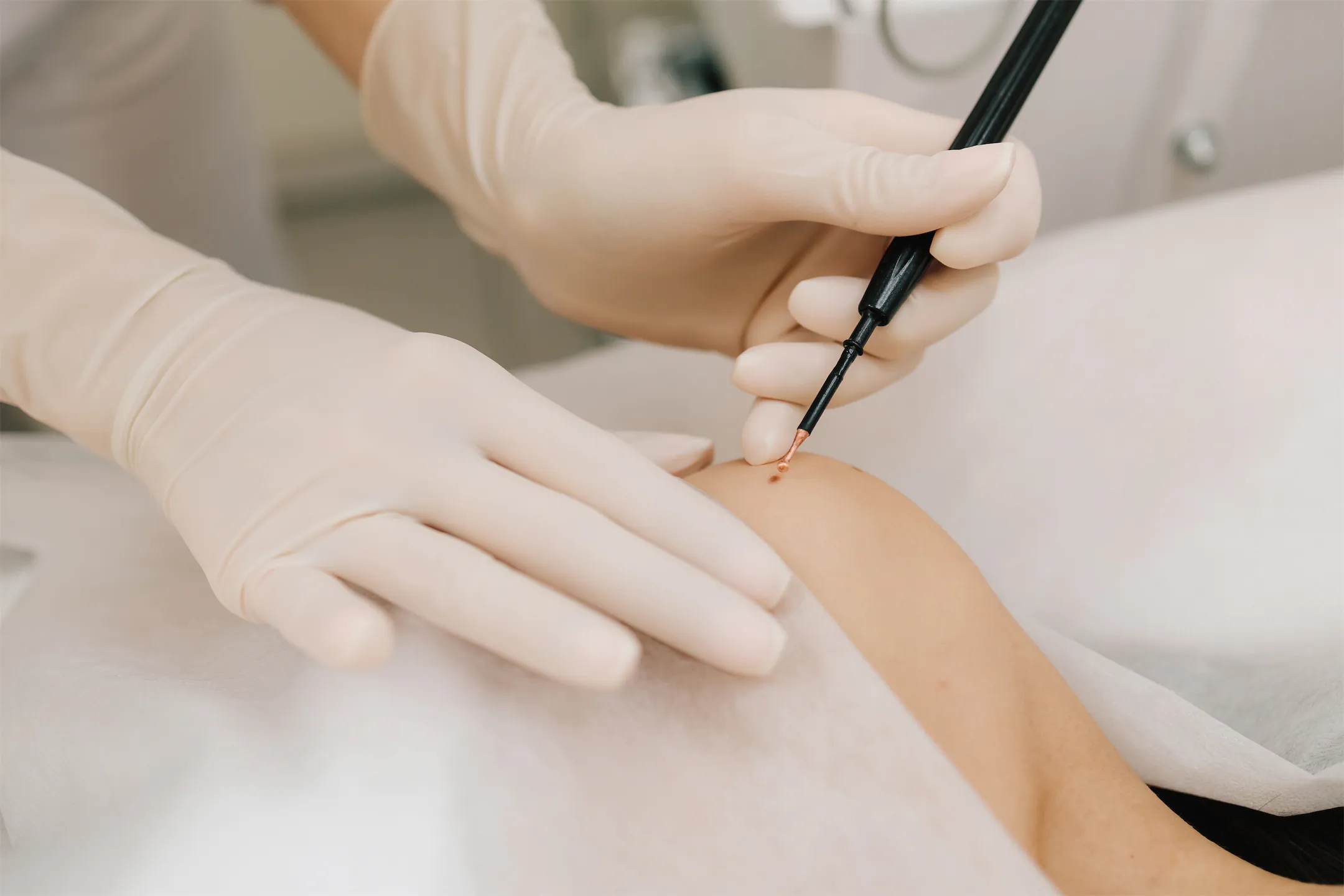
Electrodessication and Curettage
Anesthetizes the area, destroys the cells with an electrocautery unit, and scrapes them away, though this method carries a higher risk of scarring and pigment changes than other approaches.
Why choose Lazaderm
Related Concerns
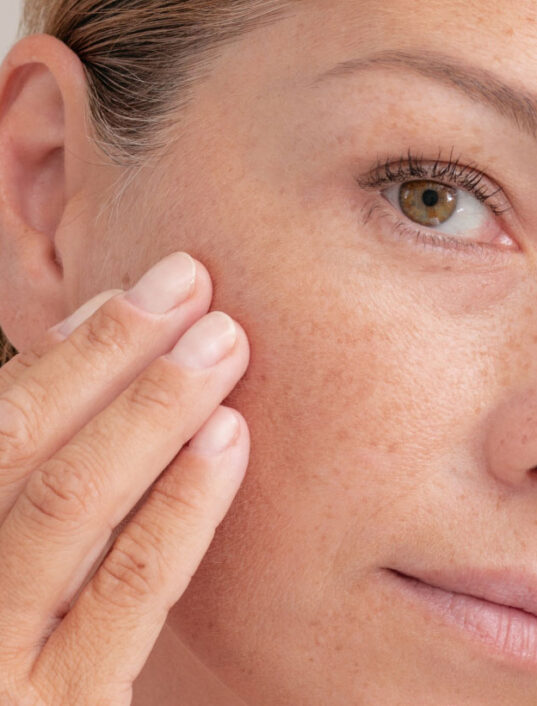
Real Patients. Real Results.
Your Best
Skin Starts Here
Request a consultation or book online today.