
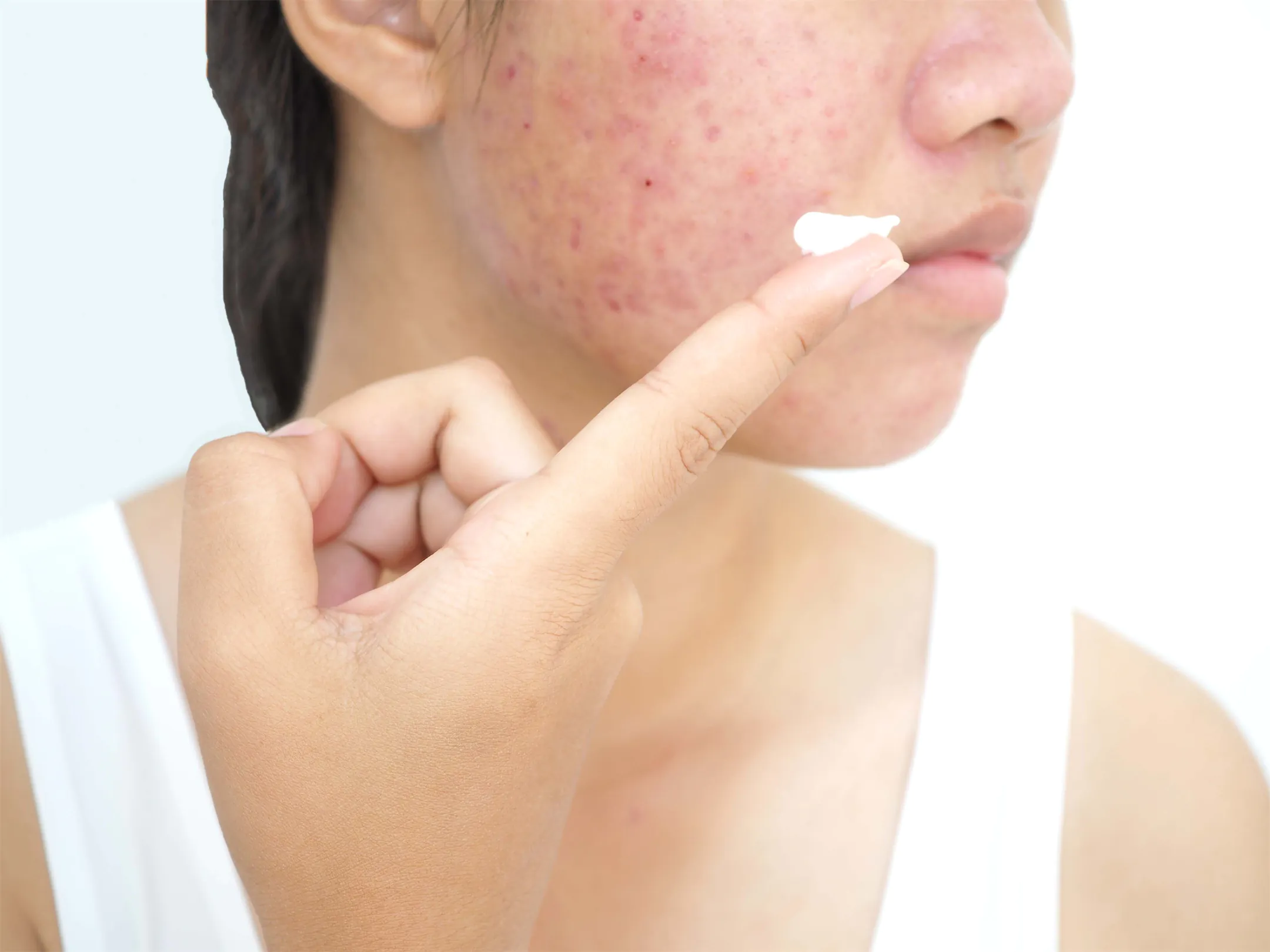
Some topicals can temporarily improve the appearance of facial veins, though the effect is short-lived and doesn’t address the underlying vein itself.
Facial Veins
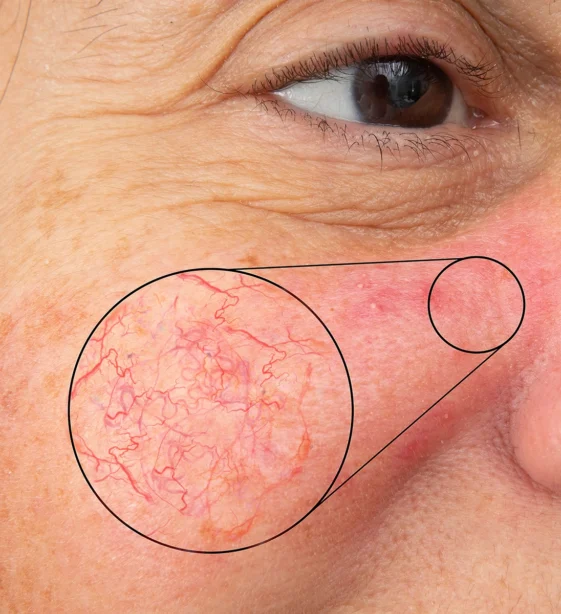
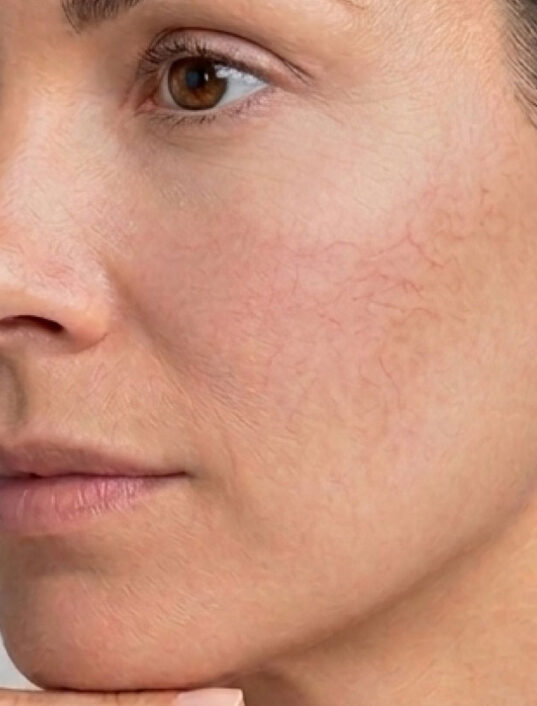
Facial veins tend to become more visible as we age, often starting around age 40, though we do see them in younger patients as well. They’re generally considered a cosmetic concern rather than a medical one, and treatment typically isn’t covered by insurance.
How It Happens
Understanding
Facial Veins
The exact cause of facial veins isn’t fully understood, but several factors appear to play a role: sun exposure, genetics, natural aging, and certain medical conditions such as hypertension and rosacea. They’re more common in fair-skinned individuals and can range in size from very small to a few millimeters across.

Prevention
Protecting your face with a broad-brimmed hat, the wider the better, and avoiding the sun during peak hours between 10am and 3pm both help limit new vein formation. A quality daily sunblock matters just as much, since UV rays pass through clouds and continue to cause damage even on overcast days.
How We Treat Facial Veins
Topical Treatments
In-office Radiofrequency
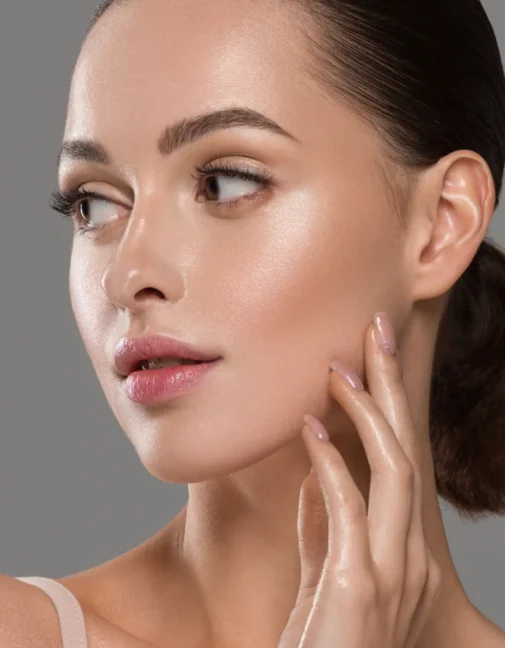
Using the Ellman Surgitron, this is a precise, effective approach for treating a small number of individual veins.

BBL HERO
An advanced form of intense pulsed light, this option works well for diffuse small vessels spread across a larger area. A typical plan involves three sessions spaced about two weeks apart to clear a significant portion of the smaller vessels.
Laser Treatment
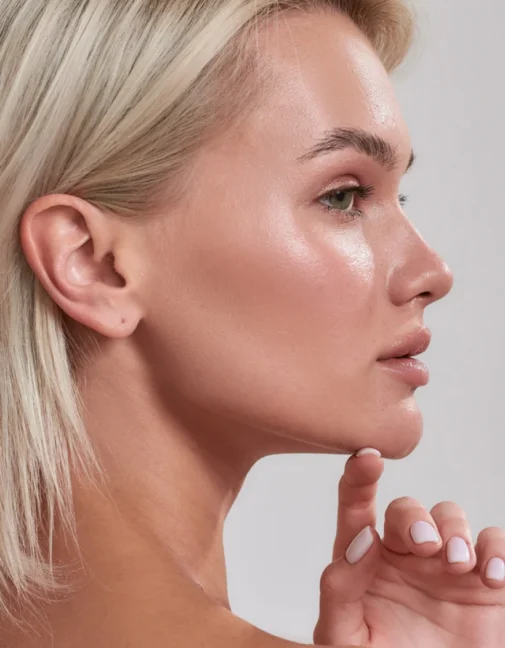
The Cutera 1064nm laser is especially effective for medium to larger facial veins, destroying the vein while leaving surrounding tissue undamaged. It also carries a lower risk of purpura, the bruised look that can follow treatment with other lasers.
Why choose Lazaderm
Related Concerns

Real Patients. Real Results.
Your Best
Skin Starts Here
Request a consultation or book online today.