



Cellulite affects most women and occasionally men. But did you know it comes in different grades? Knowing your cellulite grade helps you find the right treatment to reduce cellulite effectively. This guide explains the four grades of cellulite, what fibrous cellulite is, and the best treatments for each grade.
What are the cellulite grades?
Doctors use the Nürnberger-Müller scale, which has four grades plus a “Grade 0” or pre-cellulite stage. The grades depend on when dimples or lumpy skin appear:
- Grade 0: No cellulite, even when skin is pinched.
- Grade 1: Dimples show only when pinching or muscle moves.
- Grade 2: Dimples show when standing but disappear when lying down.
- Grade 3: Dimples show even when lying down. They are often deeper and more pronounced cellulite.
“Fibrous cellulite” means advanced cellulite (Grade 3 or higher). Hard bands under the skin cause deep dimples and rid. At Lazaderm®, we check your cellulite grade to match you with the best treatment options that use advanced technologies like laser treatments and shockwave therapy.
What is cellulite and why does grading matter?
Cellulite occurs when fat beneath the skin, called subcutaneous fat, pushes upward against the skin’s surface while fibrous connective tissue beneath pulls downward. This interaction creates the dimpled or lumpy skin appearance often described as “orange peel” or “cottage cheese.” Cellulite commonly appears on thighs, buttocks, hips, and abdomen. About 85 to 90% of women have some cellulite after puberty.
Cellulite involves fat, skin, and connective tissue beneath the surface. Factors like genes, hormones, aging (when skin loses elasticity), weight, smoking, and diet all influence cellulite forms and severity. Even water retention can worsen the appearance of cellulite.
Grading cellulite helps set realistic expectations and guides which cellulite reduction treatments work best. It also helps track progress. Cellulite is harmless but can affect confidence. That’s why Lazaderm® focuses on accurate grading before treatment.
The four classic cellulite grades (plus pre-cellulite)
This system looks at cellulite when you stand, lie down, or pinch the skin. It is called the Nürnberger-Müller classification and is widely used in clinics and research.
Sometimes “pre-cellulite” or Grade 0 means skin looks smooth but may have early changes in the connective tissue beneath. Different body parts can have different grades. For example, Grade 3 on buttocks and Grade 1 on thighs.
Grade 0 (pre-cellulite): normal or almost normal skin
Grade 0 means no visible cellulite, even when pinched. Skin is smooth. Fat cells are small. Connective tissue beneath is flexible. This stage is common in young, active people with good skin.
To prevent cellulite:
- Do strength and aerobic exercises to increase muscle mass and improve skin’s surface.
- Eat lean protein, fiber, and antioxidants.
- Avoid smoking and excessive alcohol.
- Use medical skincare with retinol or peptides to support skin and connective tissue health.
Lifestyle changes and topical treatments work well here. Some choose radiofrequency or shockwave therapy like Z-Wave at Lazaderm® to prevent cellulite.
Grade 1 cellulite: visible only when pinching the skin
Grade 1 means skin looks smooth when standing or lying. Dimples show when pinched or muscles move. Fat lobules are small. Skin loses some elasticity. Mild fluid may be present. This stage is common in people aged 20 to 40.
To improve Grade 1 cellulite:
- Do resistance training to build muscle mass.
- Do cardio to improve blood flow and reduce subcutaneous fat.
- Limit salt intake and stay hydrated.
- Try massage or dry brushing to boost circulation and heat skin.
Lazaderm® uses gentle treatments like radiofrequency, ultrasound, or shock waves plus medical-grade creams to improve the appearance of cellulite.
Grade 2 cellulite: visible when standing, not lying down
Grade 2 means dimples show when standing but smooth out when lying down. Skin has moderate orange peel texture. Skin may be a bit loose.
Fat cells push out more. Fibrous bands grow. Mild fibrosis and swelling can happen. Full removal is unlikely, but cellulite reduction is possible.
Lazaderm® treats Grade 2 with:
- Radiofrequency, ultrasound, or shockwave therapy to remodel connective tissue beneath.
- Subcision for tethered dimples.
- Treatment sessions over weeks plus maintenance.
- Body contouring if needed.
- Fillers like Bellafill, Sculptra, or Radiesse for skin tone improvement.
Studies show radiofrequency and laser treatments help most women after several sessions.

Grade 3 cellulite: visible even when lying down
Grade 3 means dimples show in all positions—standing, sitting, or lying down. Dimples are deep and skin is uneven. It may show through clothes.
Fibrous bands are stiff. Fat is trapped beneath the skin. Skin is thin and loose. Hormones or metabolism may play a role. This is common in women aged 40 to 60 but can happen younger.
Lazaderm® treats Grade 3 with:
- Radiofrequency plus microneedling.
- Shockwave therapy.
- Mechanical release of fibrous bands.
- Skin tightening with ultrasound or infrared light.
Expect smoother skin but not perfect results. Maintenance treatments are important.
Fibrous (Grade 4-like) cellulite: deep, hard dimples needing intensive care
Fibrous cellulite is very advanced, like Grade 4. It has deep, hard dimples and rid. Skin may feel firm or tender.
Fibrous bands are thick and scar-like. Blood flow is poor. Swelling is common. Full reversal is unlikely but improvement is possible.
Lazaderm® offers:
- Deep radiofrequency or ultrasound treatments.
- Minimally invasive release like subcision.
- Careful treatment plans with maintenance.
Other cellulite severity scales
Besides the four grades, there are detailed scales like the Cellulite Severity Scale (CSS) that score number and depth of dimples, skin laxity, and more. Clinician and patient scales use photos to grade cellulite for research.
At Lazaderm®, we use these ideas but mainly rely on the four-grade system for clear guidance.
How cellulite grade guides treatment
Treatment depends on grade:
- Grades 0–1: focus on prevention with lifestyle, creams, and gentle energy treatments.
- Grade 2: use radiofrequency, ultrasound, shockwave therapy, and body sculpting.
- Grade 3 and fibrous cellulite: need combination treatments including mechanical release and skin tightening.
Lazaderm® offers FDA-approved treatments like Aveli, subcision, Sofwave, Z-Wave, and Z-Shape. No single treatment works for all grades. Combination and maintenance are key. Surgery or liposuction do not fix dimples caused by fibrous bands.
All plans are led by cosmetic surgeons and healthcare professionals, safe, proven, and tailored to your goals and budget.
What to expect at a Lazaderm® consultation
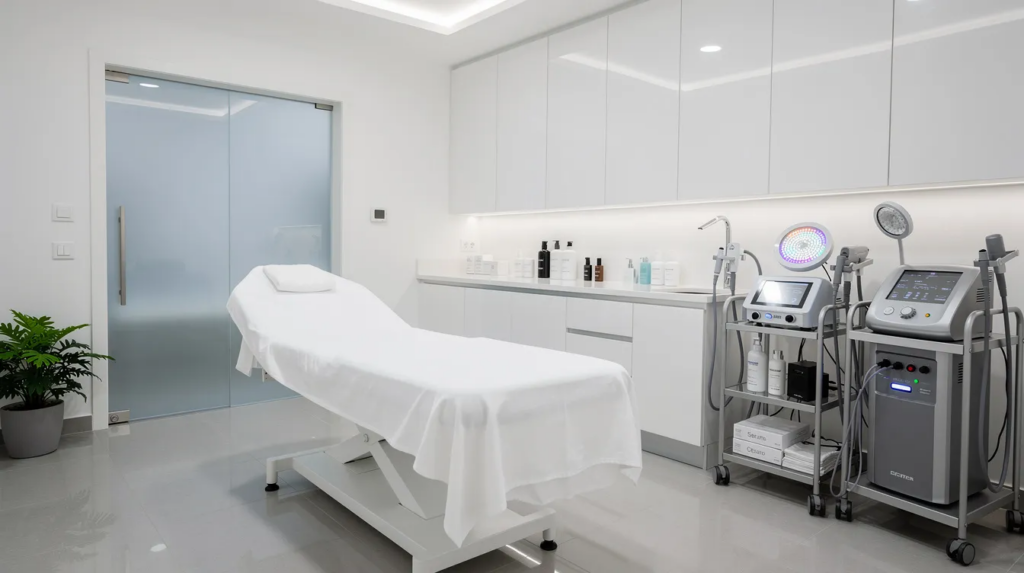
Your consultation starts with a private talk about your concerns, history, and goals. Your provider looks at thighs, buttocks, and sometimes abdomen or arms while you stand and lie down. They pinch the skin to grade cellulite and check skin thickness, elasticity, fat beneath, and muscle mass.
Each affected area can have different grades. Your provider will explain your grade and suggest treatments, session numbers, and expected results.
Want to know your cellulite grade and get a personalized plan to reduce cellulite? Request a free consultation at Lazaderm® today.